

Ask most actors to look back on their careers and they’ll often chart them through the productions that changed everything. There are breakthrough roles, defining performances and projects that opened doors. JJ Feild’s story is different. Listening to him reflect on nearly thirty years in the profession, the credits themselves almost become secondary. Instead, the constant thread running through his career is something much quieter: an enduring sense of curiosity.
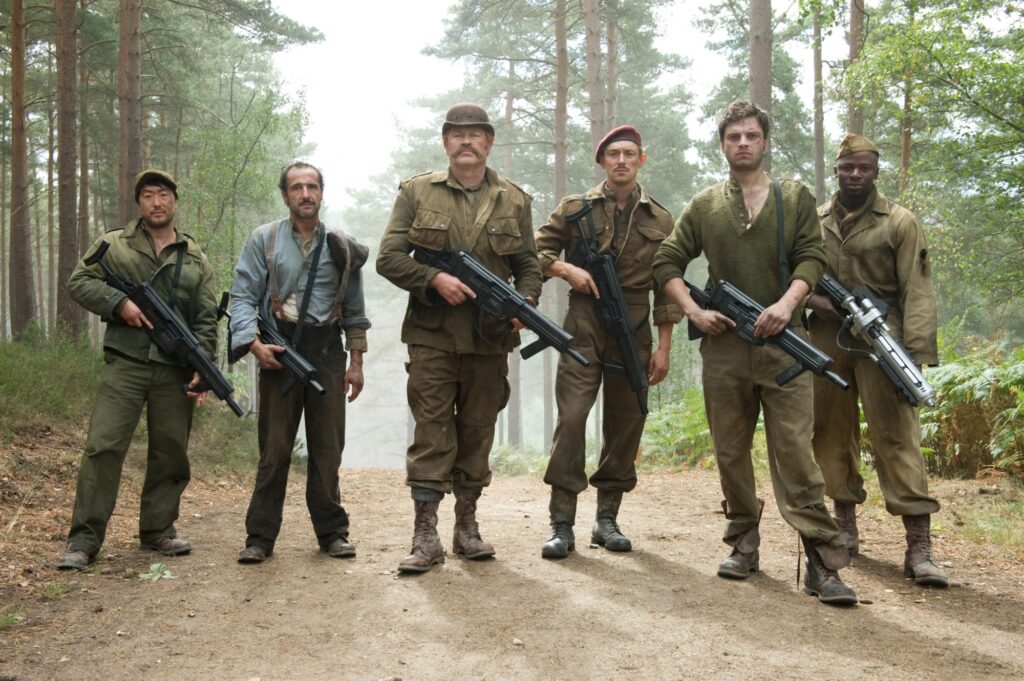
It becomes apparent within minutes of our conversation that Feild isn’t driven by prestige or the pursuit of bigger productions. Of course, there have been plenty of those. From Captain America: The First Avenger and Jack Ryan to Lost in Space, he has comfortably moved between major studio productions, independent film and acclaimed theatre. Yet whenever he speaks about the work that has mattered most, his language rarely centres on success. Instead, he talks about discovery.
That instinct reaches back much further than acting itself. Growing up in a family of writers and travellers, adventure was part of everyday life. Stories weren’t simply read; they encouraged exploration. Alongside those family influences came another unexpected figure who quietly shaped his imagination.
On David Attenborough.
For many children, David Attenborough’s programmes inspired a fascination with wildlife. For JJ, they represented something much bigger. Here was someone disappearing into rainforests, climbing mountains and venturing into corners of the world few people would ever see, driven entirely by a desire to understand more. “My family has a great sense of adventure,” he told me. “I’ve always connected those two together.”
It is a wonderfully revealing observation because it reframes acting not as performance but as exploration. Each role, he says, becomes another place to visit, another life to inhabit and another perspective to understand. Looking back, it’s easy to see how naturally that philosophy has shaped the remarkable variety of his career.
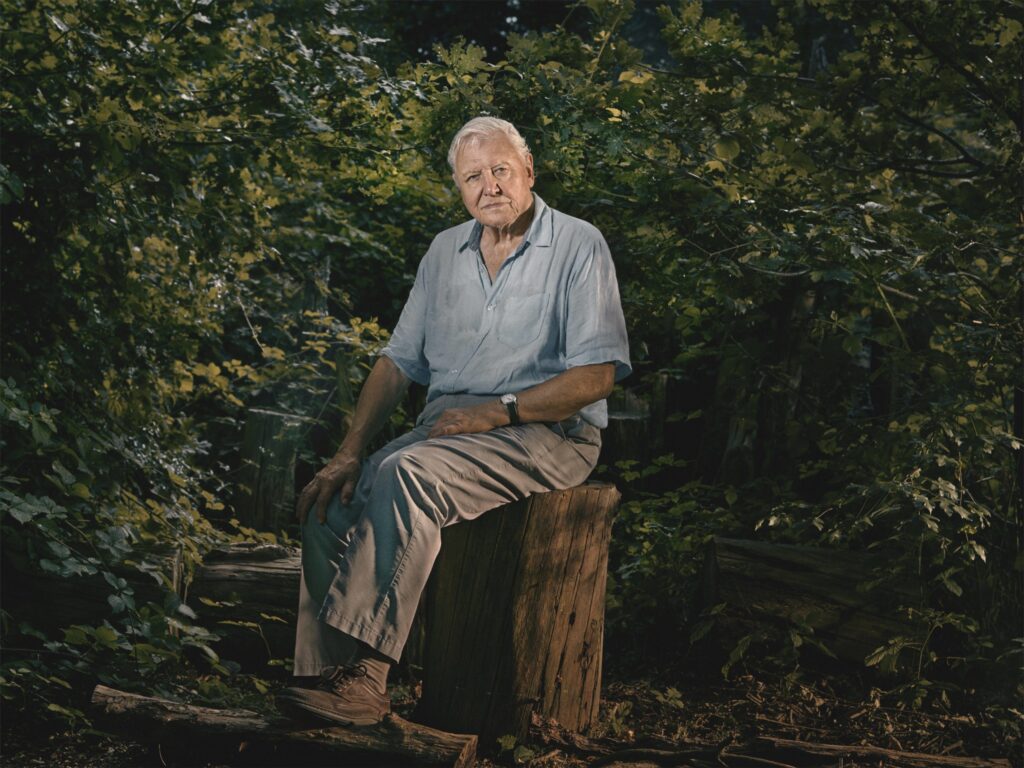
The story comes full circle years later when JJ finally finds himself standing behind his childhood hero in a Heathrow airport bookshop. Having already worked with David’s brother, Richard Attenborough, on two occasions, he imagines introducing himself through the family connection. David even turns towards him, eyebrows raised as though inviting conversation. But nothing comes out. “I couldn’t speak.” JJ says with a glint. It is one of the most charming moments in our interview. Here is an actor who has spent decades delivering dialogue in front of cameras and audiences across the world, suddenly robbed of every word by the man whose curiosity first inspired his own.

The Script That Wouldn’t Let Go
Actors often speak about falling in love with a script, but JJ’s relationship with Relics began with something much less romantic. Reluctance. Having only recently completed another stage production, he wasn’t necessarily looking to spend another summer in a rehearsal room. His instinct was to politely decline. Fortunately, his agent persuaded him to read the script before making a decision. That proved to be the turning point. “It’s very, very rare to laugh out loud when you’re reading a script,” he explains. “Most scripts might raise a smile or prompt a quiet acknowledgement that something is amusing.” Ben Ockrent’s writing had a different effect entirely. JJ found himself laughing.
Then, as the story unfolded, something shifted. Beneath the comedy about four siblings attempting to divide their late mother’s belongings lay an emotional honesty that resonated deeply. As one of four siblings himself, he recognised the familiar tensions, rivalries and affections that exist within every family. By the final pages, his decision had already been made. “I thought… oh, I’m going to have to do this.” There is something wonderfully telling about that phrase. He doesn’t describe accepting the role because it was strategically sensible or because it would advance his career. Instead, it became unavoidable because the material connected with him on a deeply personal level.
That emotional truth was only strengthened by Ben Ockrent’s background. Before becoming a playwright, Ben trained in psychoanalysis, specialising in family therapy. Rather than layering emotional depth onto an already comic script, his understanding of family relationships forms the very foundation of the play itself. For JJ, that authenticity is what elevates comedy beyond entertainment. Without genuine emotional stakes, laughter is fleeting. When audiences recognise themselves in the characters, comedy becomes something richer, prompting conversations long after the curtain has fallen.
It is easy to understand why Relics appealed to him. Like so much of the work he chooses, it offered humour without sacrificing humanity.
Choosing the Difficult Road
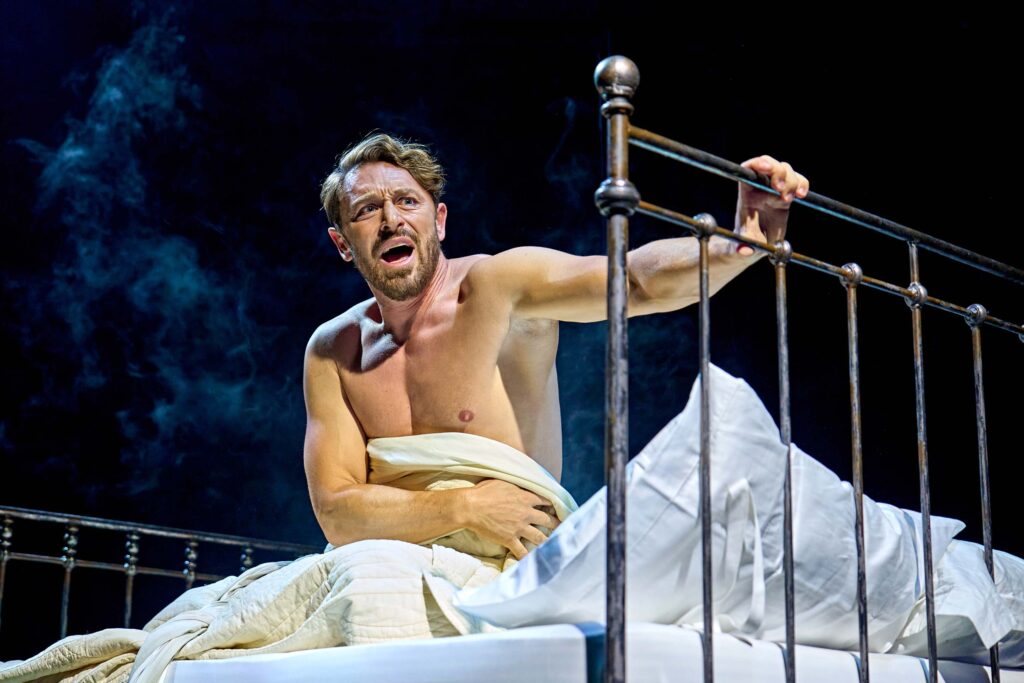
If there is one phrase that encapsulates JJ’s approach to acting, it arrives almost casually during our conversation. “What turns me on is when I read a script and think, ‘Oh God… can I do that?'” It is a striking admission because it runs contrary to how many people imagine successful actors making career decisions. Experience might suggest confidence. Longevity might imply certainty. JJ actively resists both. Instead, he seeks out projects that expose his own insecurities. Comedy became the latest example. Although audiences have often seen warmth and wit in his performances, stepping into Relics meant working alongside performers with extraordinary comic instincts. Rather than feeling entirely comfortable, he admits to being genuinely intimidated.
Watching actors like Sally Phillips and Charlie Clive at work became an education in itself. Their willingness to throw ideas into rehearsals without worrying whether they might fail fascinated him. “They just do it.” It sounds deceptively simple, but for JJ it represented a valuable lesson. Rather than cautiously seeking permission to experiment, they trusted their instincts. Some ideas landed brilliantly. Others disappeared as quickly as they arrived.
The important thing was that nobody feared failure. It reminded him that acting is not about perfection. It is about play. Even after decades in the profession, he still measures success not by whether he knows exactly what he’s doing, but by whether a role encourages him to discover something new about himself as a performer. That willingness to remain a student of the craft may well explain why his career continues to surprise audiences.
The Rehearsal Room
When the conversation turns to theatre itself, JJ’s enthusiasm becomes unmistakable.
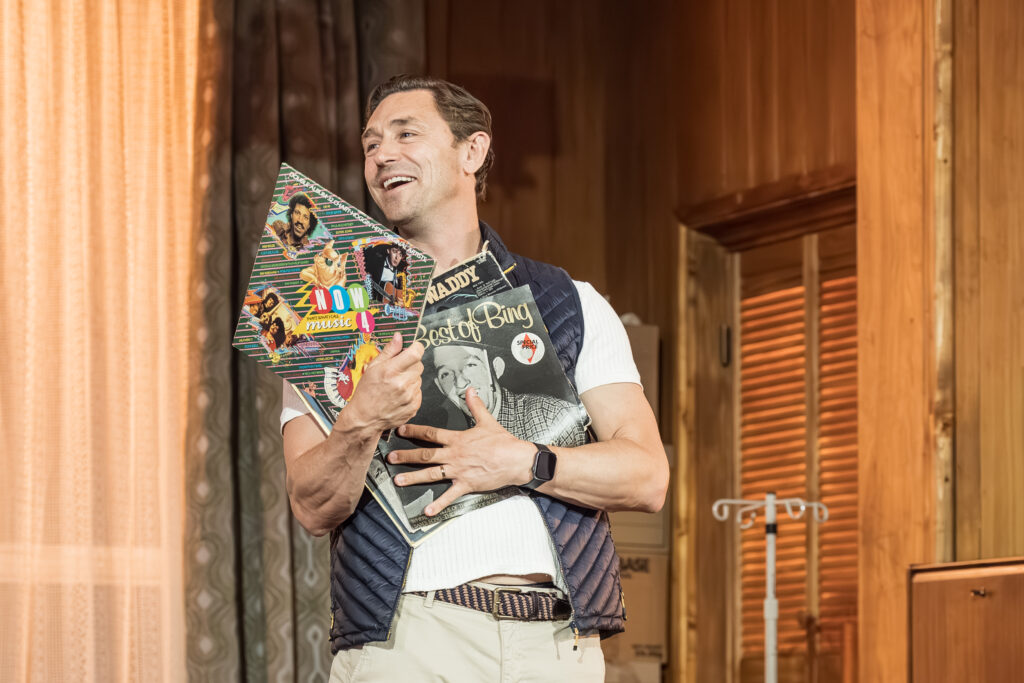
Many actors speak passionately about live performance and the unique connection between stage and audience. JJ values those things too, but the place he returns to most often is the rehearsal room. It is there, he believes, that the real work happens. Unlike film or television, where characters are often built alone before being tested on set, theatre offers something increasingly rare: time. Time to explore. Time to fail. Time to change your mind.
Working on Relics, the cast spent weeks together not simply learning lines but gradually uncovering the relationships between four siblings whose lives had become intertwined through decades of shared history. As rehearsals progressed, they found themselves recognising elements of their own personalities within those characters. Certain habits. Familiar reactions. The occasional uncomfortable truth. The rehearsal room became a place of constant discovery, where laughter and vulnerability existed side by side.
Perhaps that is why JJ speaks about theatre companies with such affection. Productions inevitably end. Sets are dismantled. Casts move on. But for a brief period, strangers become something remarkably close to family.
Lessons From Great Directors
One of the pleasures of talking to actors with long careers is hearing them speak about the people who have quietly shaped them. While audiences remember performances, actors often remember notes – those brief observations from a director that somehow stay with them for decades.
For JJ, one of those moments came very early in his career while filming Last Orders. Fresh from drama school, he suddenly found himself sharing scenes with Michael Caine, Helen Mirren, Bob Hoskins, Tom Courtenay, David Hemmings and Ray Winstone under the direction of acclaimed Australian filmmaker Fred Schepisi. “It was my first film,” he recalls, “and Fred became a great mentor.”

What struck him most wasn’t Fred Schepisi’s technical brilliance but his kindness. “He’d whisper his notes into your ear so you didn’t feel self-conscious, like you were doing something wrong in front of other people.” One particular piece of advice has never left him. Filming an emotional scene opposite Kelly Reilly, take after take began to lose its freshness. Fred approached once more, leaned in and simply said: “JJ, mate… remember your senses. Smell.” It seemed almost absurdly simple. “So she walked past,” JJ smiles, “and I just took a breath… and suddenly, ‘Wow… you’re beautiful. I love you.’ Fred went, ‘There you go. Done.'”
Looking back, he realises it wasn’t really about smell at all. It was about becoming present. “We forget all five senses,” he says. “Sometimes when you’re distracted, it just puts you back in the room.”
Another director whose influence still echoes through his work is Nicholas Hytner. Working together on A Midsummer Night’s Dream, JJ admits he would often arrive with elaborate explanations about his character and his thinking behind a scene. Nicholas’s response was always wonderfully economical. “Don’t tell me. Just show me.”
“They’re simple things,” JJ reflects. “But they give you courage to try something.” Perhaps that’s what links the directors he admires most. They don’t overwhelm actors with analysis; they quietly create the confidence to explore.
Trusting Shakespeare
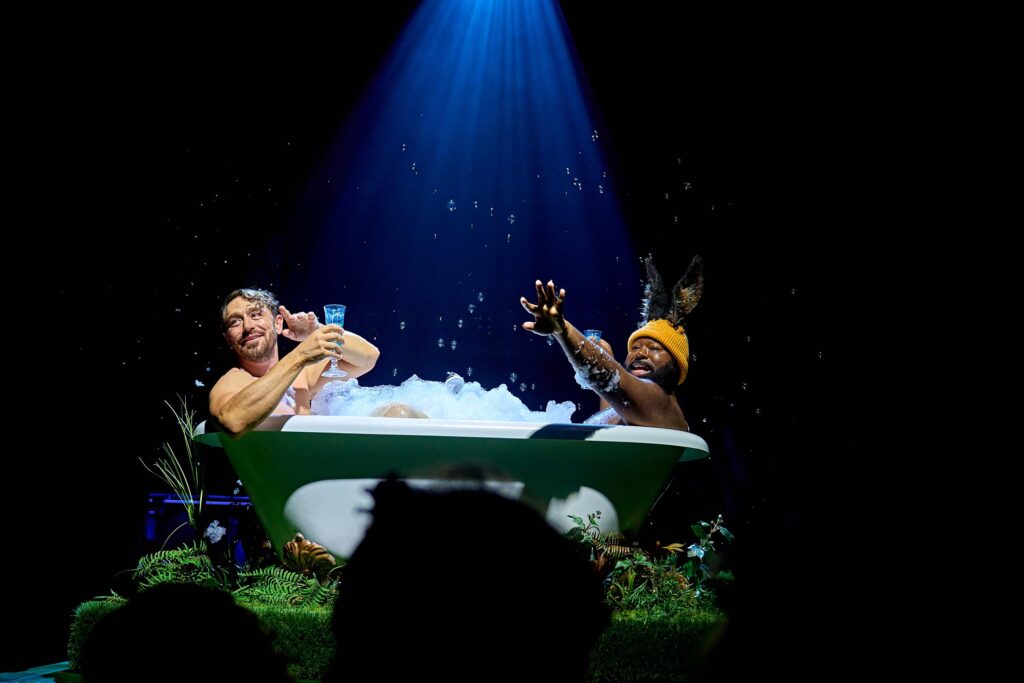
It is impossible to discuss JJ’s stage career without talking about Shakespeare. His return as Oberon in Nicholas Hytner’s immersive A Midsummer Night’s Dream at The Bridge Theatre remains one of the productions audiences mention to him most often, and it clearly occupies a special place in his own career. “I can hand on heart say I’ll never be in a production like that again.” Not because he believes it can never be surpassed, but because certain productions capture a particular moment in time. The Bridge Theatre staging developed an extraordinary relationship with audiences, many returning again and again to experience it from different perspectives. “I’ve never been in a production where people would come to the stage door and say, ‘This is my second… third… fourth… fifth time.'”
For JJ, however, Shakespeare’s greatest gift isn’t popularity. It’s discipline. TV and film, he explains, “quite often your ego and your judgement of a script… you’re constantly trying to tweak the script and change the lines.” Shakespeare demands something entirely different.
“You sort of abandon yourself to the text.” That surrender, he believes, often leads to stronger performances because the actor stops trying to improve the writing and instead trusts it completely. “You take that judgemental… the ego of the actor… off. I have to do what’s given to me and make that work.”
It is a philosophy that feels surprisingly modern in an industry that often celebrates reinvention over restraint.
Still Looking For The Next Adventure
Towards the end of our conversation, I ask whether there is a character he still dreams of playing. His answer is wonderfully revealing. Rather than naming Hamlet, King Lear or another great theatrical role, his imagination immediately drifts back to adventure. “I’d maybe love to go back to that childhood adventurer.” He laughs that Indiana Jones has already been taken, but the sentiment remains. “I’d love to film in some far-off location… someone discovering something new.”
It takes us neatly back to the beginning of our conversation and the influence of David Attenborough. The young boy captivated by exploration never really disappeared. Acting simply became another way of satisfying that curiosity. Even after decades in the profession, JJ isn’t searching for comfort. He’s searching for surprise. That perhaps explains why another story from his early career still makes him smile. While at drama school, encouraged by his father, he wrote to Oscar-winning actress Ellen Burstyn asking for advice. To his amazement, she replied. “My advice to you,” she wrote, “is to quit. Don’t do this profession.” He laughs as he remembers it now. “I didn’t quit.” Instead, he built a career spanning theatre, television and film on both sides of the Atlantic.
Listening to JJ speak, it becomes clear that success was never really the destination. Curiosity was. Every rehearsal room. Every new script. Every director’s note. Every intimidating role. Each one became another opportunity to ask the question that still seems to excite him more than any certainty ever could. “Oh God… can I do that?” And perhaps that’s exactly why audiences continue to enjoy watching him find the answer.
About JJ Feild
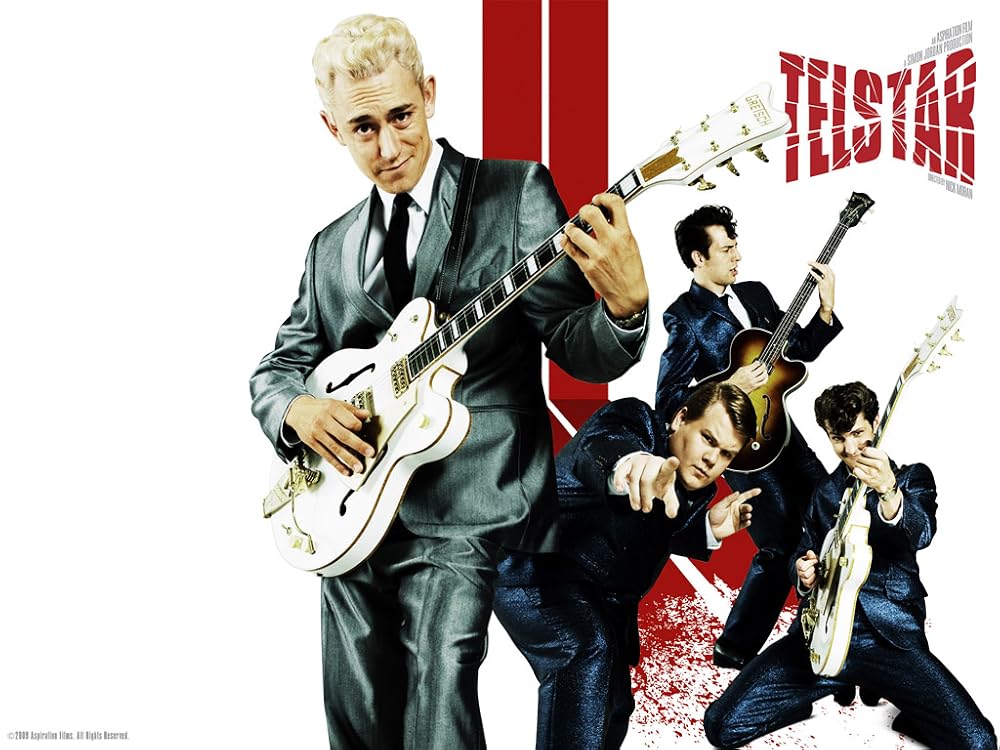
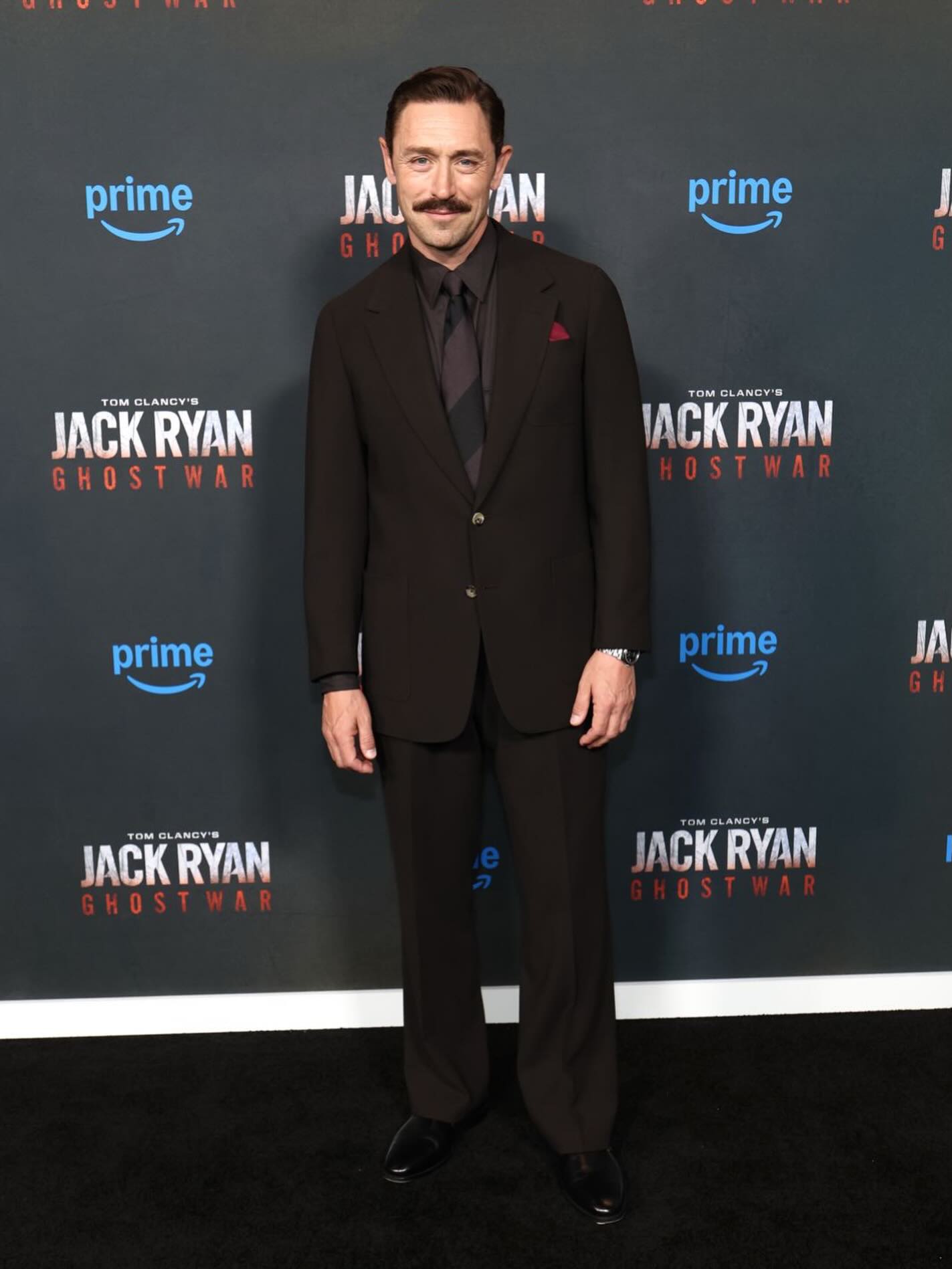
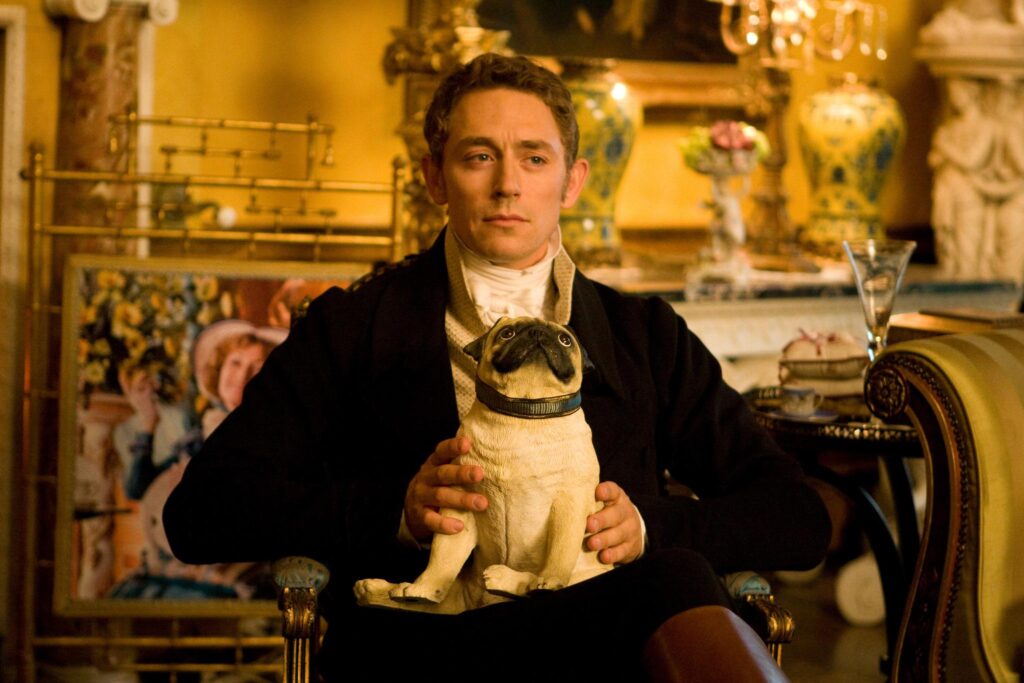
JJ Feild is a British-American actor whose career spans stage, film and television. His screen credits include Captain America: The First Avenger, Jack Ryan, Lost in Space, Turn Up Charlie and Telstar, while his theatre work includes acclaimed productions such as Nicholas Hytner’s A Midsummer Night’s Dream at the Bridge Theatre and Ben Ockrent’s Relics at the Lyric Hammersmith. Renowned for his thoughtful approach to character and his willingness to embrace roles that challenge him, JJ has built a career defined by curiosity, versatility and collaboration.
This article is based on his appearance on the Theatre Audience Podcast.
Based on the Theatre Audience Podcast interview with JJ Feild. Listen to the episode →