
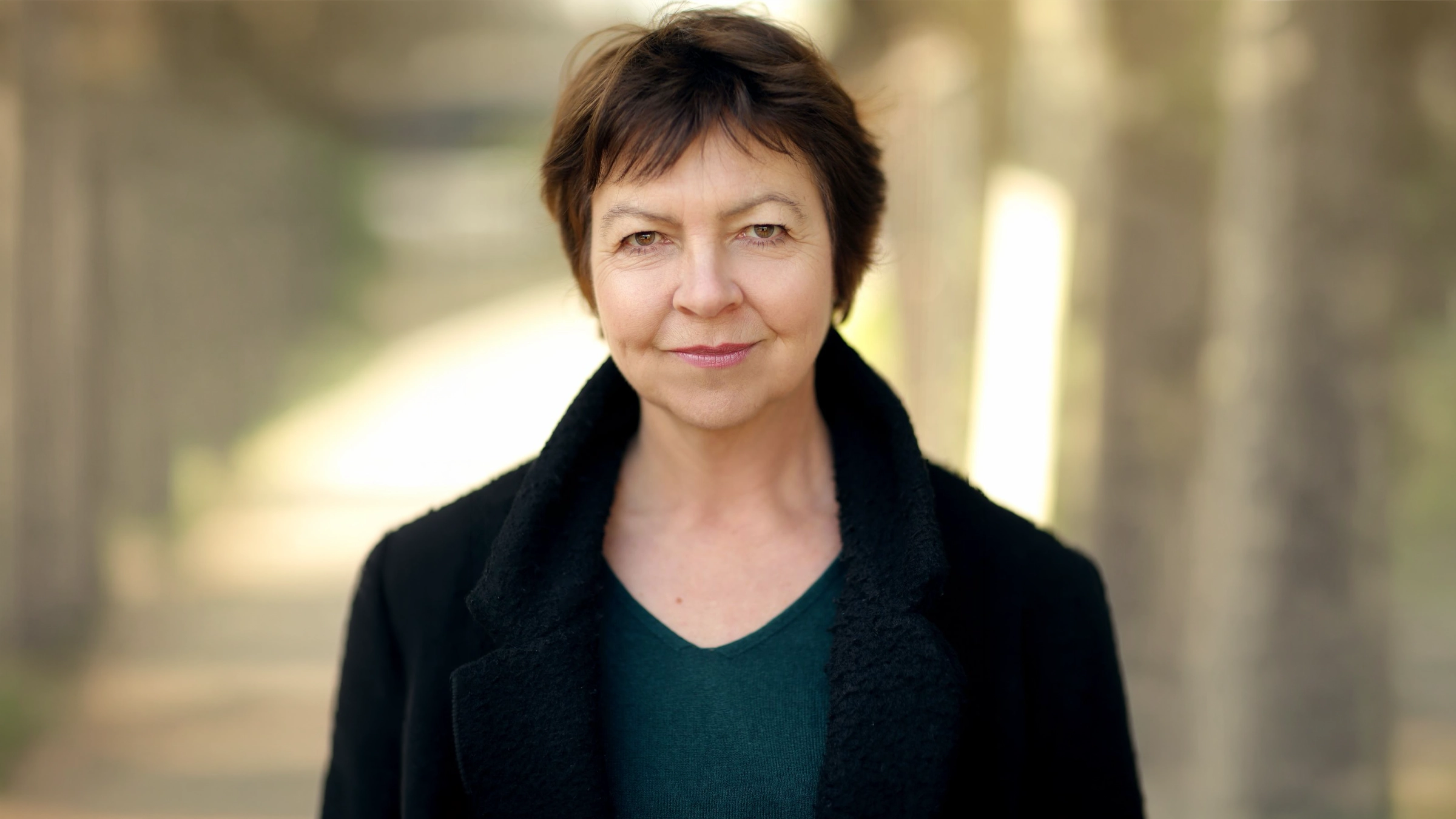
For many people, Tessa Peake-Jones will forever be associated with Raquel, one of British television’s most beloved characters and the long-suffering partner of Del Boy in Only Fools and Horses. Decades after the sitcom first aired, audiences still stop her in the street to share memories of the programme and tell her what it meant to them.
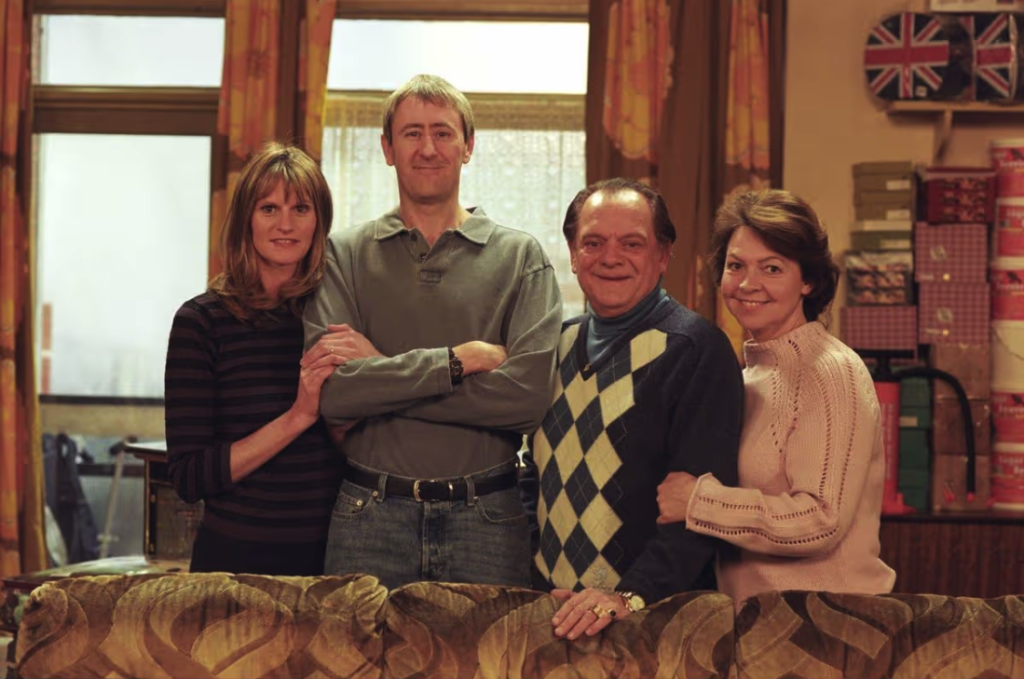
But while those conversations remain a source of enormous affection, Tessa is increasingly interested in a different subject altogether: what happens when society starts paying less attention to you.
As she reflects on ageing, visibility, relationships and the changing ways we connect with one another, she speaks with warmth, honesty and a refreshing lack of self-pity. If anything, getting older has made her more curious, more adventurous and far less concerned with what other people think.
And that’s a freedom she wouldn’t trade for anything.

The Strange Business of Becoming Invisible
One of the themes that resonated most strongly with Tessa is the idea that people can become increasingly invisible as they get older. It’s not something she noticed overnight. Instead, it arrived through small moments. “Somebody offered me their seat on a train and I was so incensed.” She laughs at the memory now. “I wasn’t even 60 at that point. I thought, ‘Do I look that old that I need a seat?'” Looking back, she recognises the gesture for what it was. “It was just someone being kind.” Yet it marked a subtle shift in how she understood the way age changes perception.
Another unexpected discovery came through something as simple as wearing glasses. “People told me years ago that if I wore glasses people would look through me.” At the time she dismissed the idea completely. “I thought, ‘Don’t be ridiculous.'” Now she isn’t so sure. “If I’m wearing contact lenses, people come up and say, ‘Are you Tessa Peake-Jones?’ If I’ve got glasses on, they just seem to look straight through me.” She still finds it fascinating. “It’s extraordinary how much difference it makes.”
Why Are We So Obsessed With Age?
Throughout the conversation, Tessa returns repeatedly to society’s fixation on age.
Not because she is worried about getting older. Quite the opposite. She simply questions why a number should define so much. “Age means nothing.” To make her point, she talks about a fellow Pilates class member. “There’s a 91-year-old woman in my class who can hold a plank longer than almost anyone else.”
For Tessa, examples like that completely undermine the assumptions people often make about age. “I know people my age who seem very old, and I know people twenty years older than me who seem incredibly young.” It’s why she has little patience for the tendency to constantly label people by their age. “Why do we need to know?” The obsession feels particularly British to her. “We’re very interested in age. Rather like we’re obsessed with class.” And while she acknowledges that age can shape experience, she doesn’t believe it should dictate possibility. “Anything is possible at any point if you want it to be.”
Romance Doesn’t Have an Expiry Date
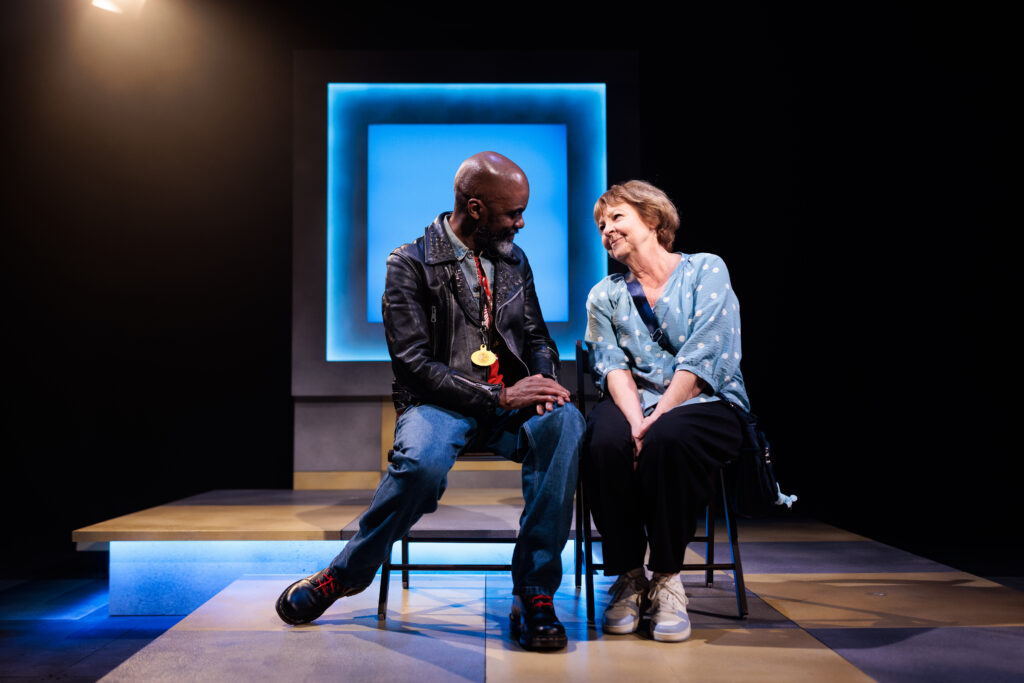
One area where Tessa believes society still has some catching up to do is romance later in life. While younger relationships dominate films, television and popular culture, stories about people finding love in their sixties, seventies and beyond remain relatively rare. She thinks she knows why. “People don’t like talking about older people having sex.” The bluntness of the statement is accompanied by a mischievous smile. “I think that’s the bottom line.” She believes many people remain uncomfortable with the idea that desire, intimacy and attraction continue throughout life. “It’s almost as if society assumes people get to a certain age and suddenly lose interest.” In reality, she says, that simply isn’t true. “There are plenty of people in their seventies, eighties and beyond still having wonderful relationships.”
The problem, she suggests, isn’t reality. It’s perception. “People don’t want to imagine it.” The result is that older generations often disappear from conversations about love and sexuality altogether. Fortunately, she believes that is slowly changing. “The more we talk about these things, the more normal they become.”
Connection in a Disconnected World
The conversation inevitably turns to technology and social media. While Tessa acknowledges the benefits of online communities and support networks, she worries that something valuable is being lost. “We’re forgetting how to connect.” She recalls a world where friendships, relationships and communities were built face-to-face. “People met in pubs. They met through friends. They talked.” For younger generations, that world can seem almost unimaginable. “They look at you as though you’re describing another planet.”
What concerns her isn’t technology itself. It’s loneliness. “I think people can become more isolated.” She worries that genuine conversation is being replaced by increasingly polarised online exchanges. “There seems to be so much anger.” What she misses is something much simpler. “Looking at somebody. Listening to them. Having a proper conversation.” The solution, she believes, might be closer than people realise. “Sometimes the people you need to meet are right in front of you.”
The Best Thing About Getting Older
For all the challenges that can come with ageing, Tessa believes there is one enormous advantage. Freedom. “You care less.” Not less about people. Not less about doing good work. Just less about external judgement. “When you’re younger, you’re so worried about what everybody thinks.” Experience changes that.
These days, if she sees someone being treated unfairly, she is more likely to speak up. “I’d say something now.” Her younger self might have hesitated. “I’d have worried.” Now? “What’s the worst that can happen?” That growing confidence has brought a sense of liberation. “You become more adventurous.” Not because life becomes easier. Because fear becomes smaller.
What She’d Tell Her Younger Self
Towards the end of our conversation, Tessa is asked what advice she would give to her 30-year-old self. The answer arrives quickly. “Care less.” Then she pauses. “Although if someone had told me that when I was 30, I probably wouldn’t have listened.” Perhaps that’s the paradox of experience.
The lessons that matter most are often the ones we can only truly learn by living through them. What remains clear is that Tessa has no interest in slowing down, becoming invisible or accepting the limitations society sometimes places on age.
If anything, she seems more interested than ever in what comes next. And as she puts it: “Anything is possible at any point if you want it to be.”
Based on the Theatre Audience Podcast interview with Tessa Peake-Jones. Listen to the episode →