
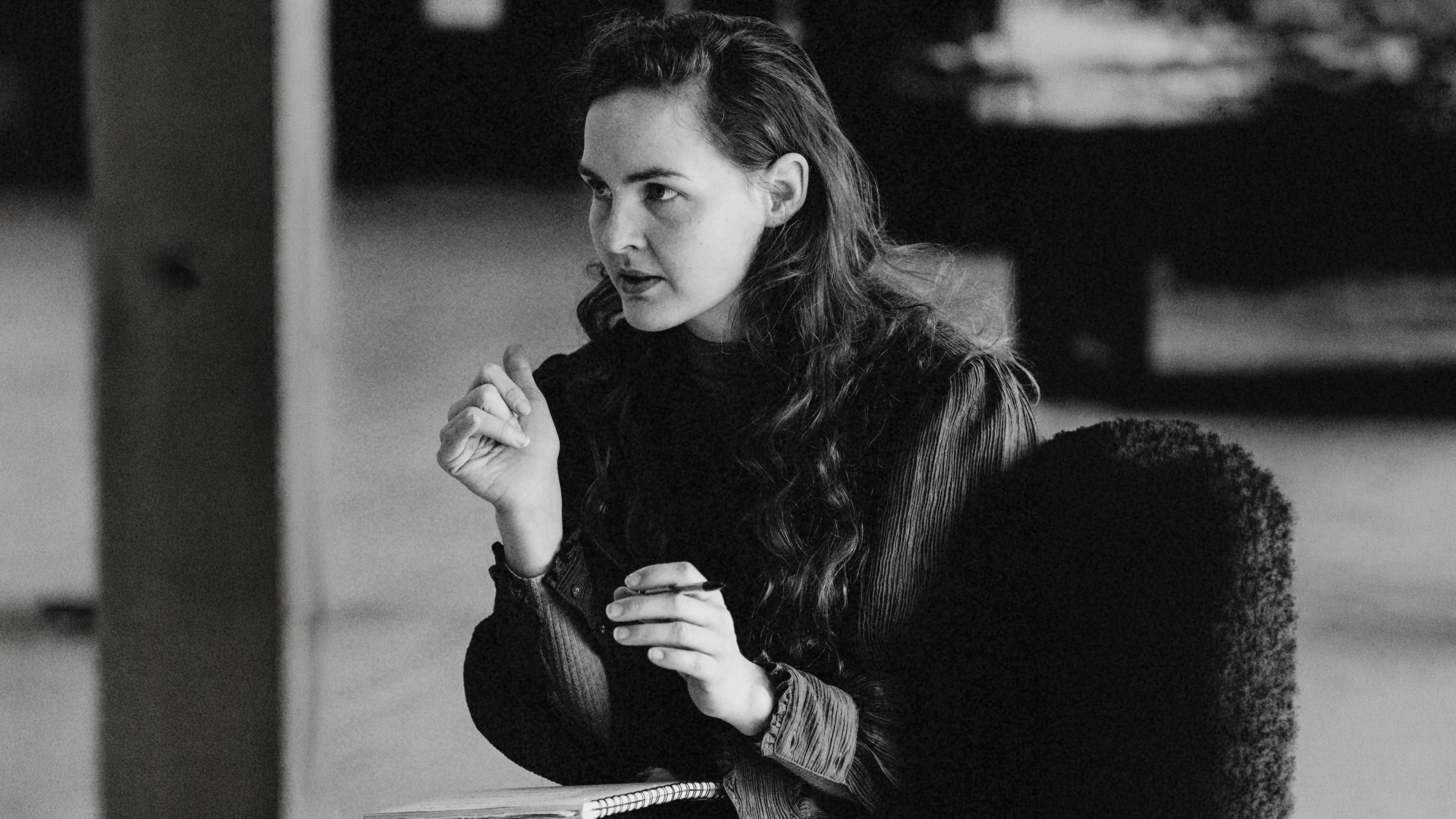
Some artists can neatly describe what they do. Becky Namgauds is not one of them.
Across a career that spans dance, theatre, fashion, music videos, live performance and choreography, Becky has built a reputation for creating work that resists easy categorisation. As a performer she has appeared in productions at the National Theatre and collaborated with some of the UK’s most respected choreographers and directors. Her movement work has featured in fashion campaigns, music videos and large-scale live events. As a choreographer and maker, she has increasingly developed her own distinctive voice, creating work that combines physical intensity with striking visual imagery and a fascination with the spaces we inhabit.
Speaking with her, it quickly becomes clear that labels such as choreographer, dancer or director only tell part of the story. Becky approaches creativity with the curiosity of someone who is constantly collecting influences. A conversation about dance quickly moves into discussions of visual art, horror cinema, fashion, architecture, opera, telenovelas and even Desperate Housewives. Nothing exists in isolation. Everything feeds the work.
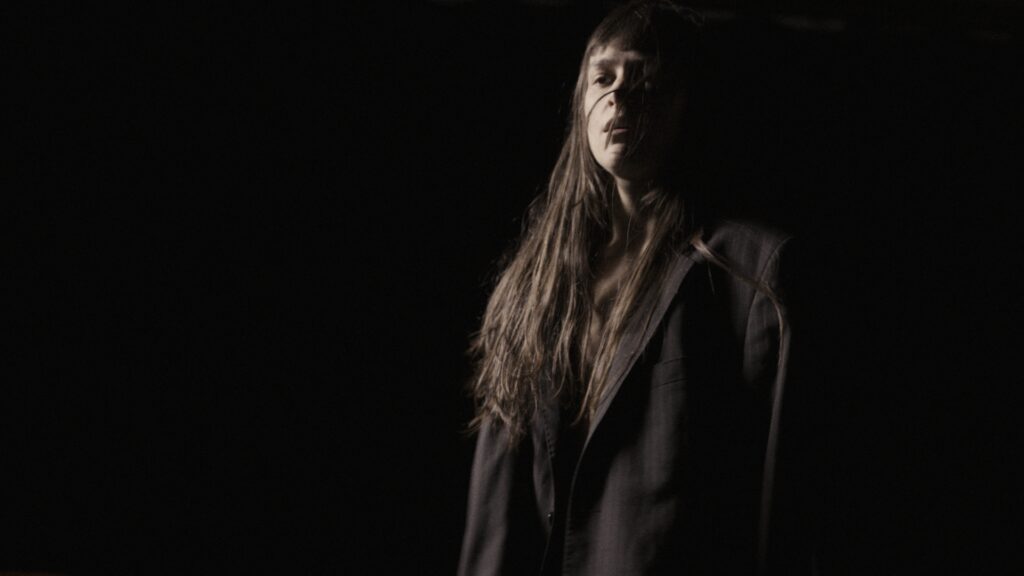
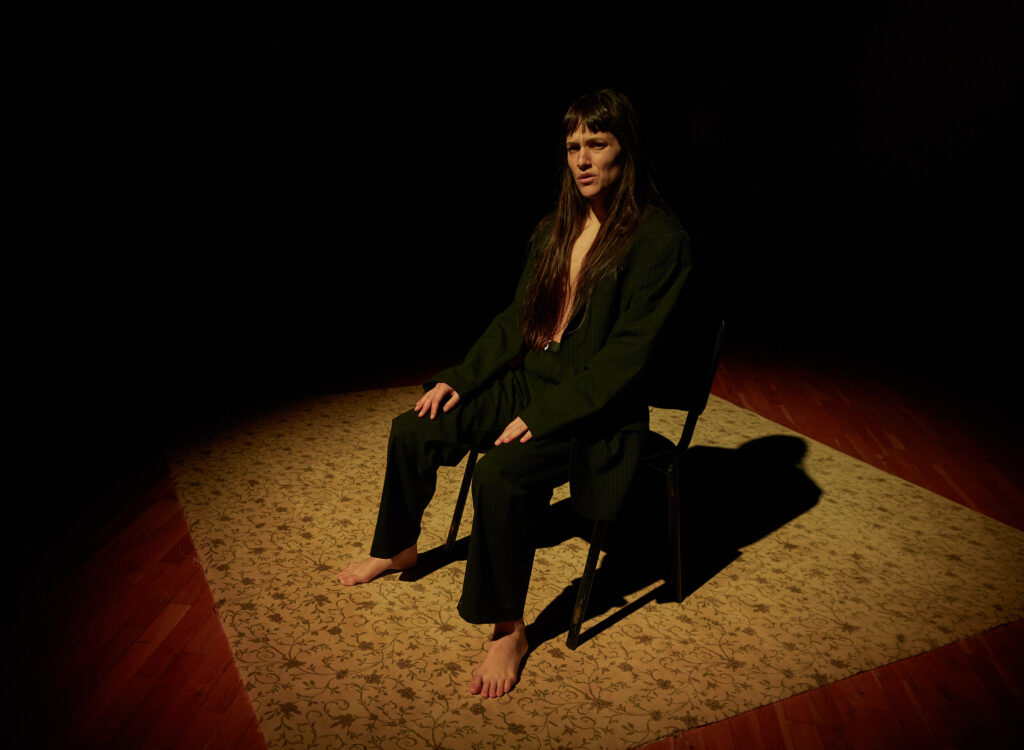
Her recent production The Heat provides the immediate context for our conversation. A surreal exploration of domestic space performed by an all-female cast, the work examines ideas of safety, confinement, privacy and freedom through movement, humour and striking theatrical imagery. Yet as we talk, it becomes clear that the piece is part of a much broader artistic journey.
What emerges is a portrait of an artist less interested in fitting into established traditions and more interested in discovering what happens when different disciplines collide.
Making Your Own Path
Like many artists, Becky began her career with a clear passion but without a clear route map.
Unlike some of her contemporaries, she did not train at a dance conservatoire. While that difference might seem insignificant now, she remembers it creating real challenges when she first entered the industry. “When I first graduated, I found it really hard to actually get a job because I didn’t train at a dance conservatoire.”
For some people, that kind of obstacle becomes a reason to step away. For Becky, it became motivation. “I just found this really motivating to start making my own work.” The statement reveals something fundamental about her approach. Rather than waiting for permission or opportunities, she began creating the work she wanted to see.
As a performer, she enjoyed collaborating on other people’s projects, but she also recognised the limitations of that role. There are always practical realities. Rent has to be paid. Work has to be found. Creative choices are often shaped by factors beyond your control. “You don’t always get to choose the roles you want to do or the type of work you want to do because there’s this tension of making money and paying your rent in London.”
Creating her own work offered something different. It provided a space where questions could be explored without needing to satisfy anyone else’s expectations. “I think making my own work has always been that space for me to make the things I want to see and explore.”
Listening to her describe the process, it becomes clear that independence is not simply a career choice. It is a creative necessity. The projects she creates emerge from personal fascinations, visual references and questions that refuse to leave her alone.
The Home As A Battleground
That process is perhaps most evident in The Heat.
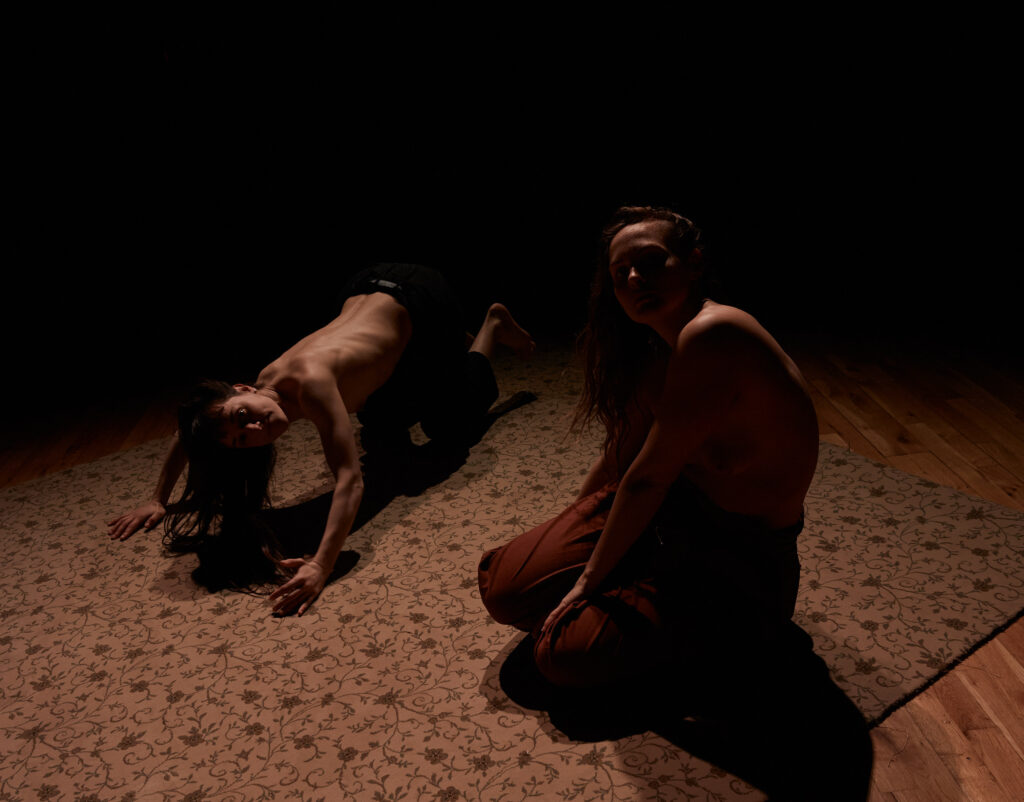
The piece began with a contradiction that fascinated her. Home is often presented as a place of comfort, safety and security. Yet for many women, it can also be a site of restriction, vulnerability and danger. “With the home, it’s supposed to be this place of comfort and safety, but for women actually it’s the least safe space.”
The tension between those opposing realities became the starting point for the work. “This space of oppression and then this space of freedom, with your privacy. That was really interesting to me.” The inspiration arrived partly through visual art, specifically a series of works by Portuguese artist Paula Rego known as Dog Woman. The images depict women crawling across furniture, snarling, crouching and occupying domestic spaces in ways that feel simultaneously powerful and unsettling. “They’re these really muscular, bestial depictions of women who are crawling along furniture and on all fours and they’re snarling and they’re wearing very feminine clothing.”
What interested Becky was not the traditional image of the housewife but the possibility of uncovering experiences and emotions often hidden beneath domestic life.
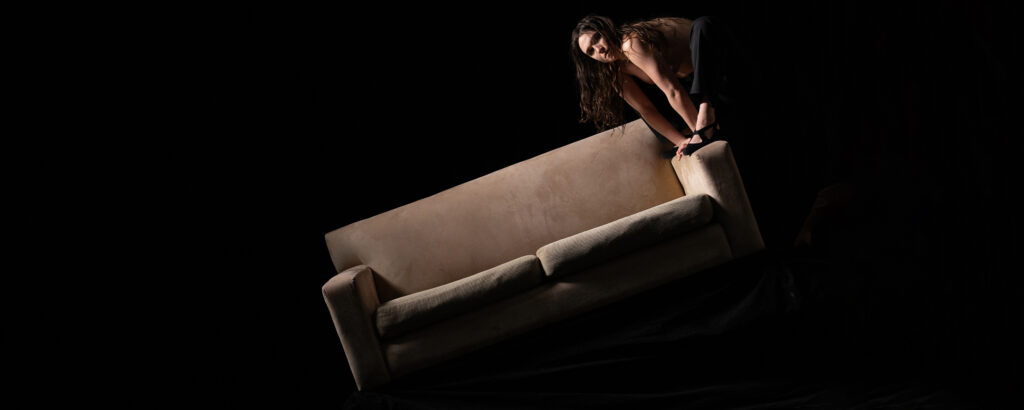
The result is a work that feels dreamlike, surreal and frequently unsettling. Furniture becomes architecture. Curtains become portals. Sofas become places of emergence and transformation. Moments of comedy sit alongside moments of intensity.
For Becky, these contradictions are not accidental. They are the point. The domestic space becomes a landscape where competing ideas can coexist. Safety and danger. Privacy and exposure. Freedom and confinement.
Inspiration Is Everywhere
One of the most fascinating aspects of speaking with Becky is the sheer range of influences she draws upon.
Many choreographers talk primarily about dance. Becky talks about paintings, films, books, sculpture and fashion with equal enthusiasm. “There are so many things,” she laughs when asked about influences. The list quickly becomes expansive. Visual artists such as Ana Mendieta, whose groundbreaking work explored identity, nature and the female body. British artist Helen Chadwick, known for placing herself within domestic appliances and everyday spaces. Film-makers such as Pedro Almodóvar and Sofia Coppola. Contemporary body horror cinema. Experimental performance art. Fashion. Literature. Television. Even Desperate Housewives finds its way into the conversation.
Rather than treating high and low culture as separate categories, Becky seems genuinely uninterested in the distinction. What matters is whether something sparks curiosity.
One particularly influential text during the creation of The Heat was House of Psychotic Women, a study of female representation within horror and exploitation cinema. “It’s like an encyclopaedia full of moments where in film women have been allowed to explore this crazy hysterical side of themselves.” That idea of exploring emotional and physical extremes clearly resonates with her work.
Again and again, she returns to the body as a site of expression, contradiction and transformation.
The influences may come from different disciplines, but they often ask similar questions.
How do people inhabit space? How do they perform identity? What happens when social expectations begin to break down?
Collaboration As Creation
Although Becky is increasingly recognised for her own artistic voice, she repeatedly emphasises the collaborative nature of her process.
The Heat was created with an all-female cast spanning multiple generations and backgrounds. Yet what interested her most was not their age but their individuality. “For me what’s more interesting is the backgrounds of the performers and their upbringings and who they are personality-wise.”
The rehearsal process involved extensive research and improvisation. Performers explored unusual questions and scenarios, often using their own responses as material. One exercise focused on imagining different ways of dying at home. Another explored sexuality independent of relationships with other people. Others examined shame, desire and the body’s relationship to domestic objects. What emerges from these descriptions is a rehearsal room built on curiosity rather than certainty.
The performers are not simply executing choreography. They are contributing to the creation of meaning.
Becky speaks warmly about the women she collaborated with and frequently returns to the idea of gratitude. “I’m just so lucky to get to work with people who have got thirty years’ experience on me.” The comment feels sincere. For all her ambition, there is very little ego in the way she describes her process. Instead, she seems genuinely energised by the possibility of learning from others.
Beyond Dance
While her own artistic work increasingly occupies centre stage, Becky has also built an impressive career across fashion, music and commercial performance.
She has worked with choreographer Holly Blakey, appeared in projects involving brands such as Vivienne Westwood and collaborated on music videos featuring artists including Harry Styles and Dua Lipa.
Yet what is striking is how little interest she has in celebrity itself. Instead, she focuses on the creative environment surrounding those projects. “It’s always nice to do those works,” she says. “Getting to wear Vivienne Westwood is always fantastic.” What excites her is the intersection between movement, image and storytelling. Fashion becomes another form of performance. Music videos become another form of choreography. Different mediums, similar questions.
Her recollections of working with Harry Styles are particularly revealing. “I was quite surprised at how warm pop stars can be.”
She also challenges common assumptions about major artists being disconnected from the creative process. “People often get told that pop stars are just these performing monkeys and I don’t think that’s true.”
Once again, her curiosity outweighs cynicism. She is interested in how things are made and how people collaborate, regardless of scale.
Curiosity Over Certainty
Towards the end of our conversation, I asked Becky what her dream project would be if resources were unlimited. The answer reveals almost everything about her as an artist. She doesn’t immediately talk about fame. Or commercial success. Or even a particular venue. Instead, she starts imagining collaborators. A giant studio. Water. Opera. Women. Fashion designer Simone Rocha. Set designer Es Devlin. Film-maker Sofia Coppola. Live music. Visual spectacle. Physical performance. As she describes it, the idea grows and evolves in real time.
What begins as one project becomes another. New possibilities emerge. New collaborators appear. The excitement is infectious. More importantly, it reveals that even after an already impressive career, Becky remains driven by the same thing that first led her to create her own work. Curiosity. The desire to explore an idea. To bring people together. To make something that doesn’t yet exist.
Listening to her, it becomes clear that she is not interested in arriving at a final destination. She is interested in continuing the search. And perhaps that is why her work feels so alive. Every project is less an answer than an invitation to ask another question.
About Becky Namgauds
Becky Namgauds is a choreographer, director, performer and movement artist whose work spans dance, theatre, fashion, film and live performance. Her credits include collaborations with major cultural institutions, commercial brands and internationally recognised artists. As a maker, she creates visually striking interdisciplinary work exploring themes of identity, space, embodiment and female experience.
Based on the Theatre Audience Podcast interview with Becky Namgauds. Listen to the episode →